Explore firsthand accounts of our exceptional service and dedication to safety through the glowing testimonials from our satisfied clients.
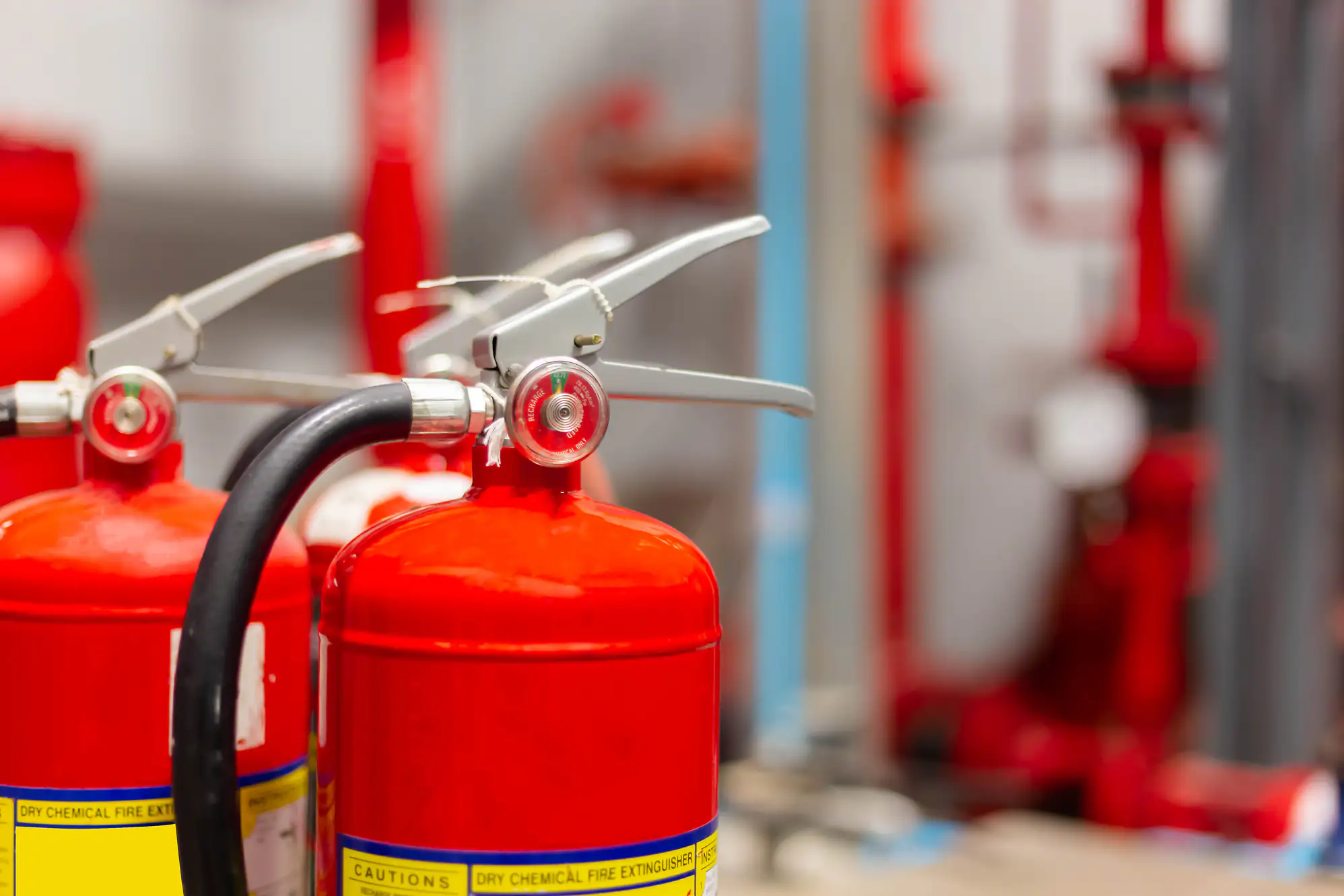
Your fire detection system does more than check a box on an inspection form. It keeps your employees safe, your insurance valid, and your doors open if something goes wrong.
When your system is installed correctly the first time, you’re not scrambling to fix violations before your next inspection. You’re not dealing with false alarms that waste time and money. You’re not wondering if the thing will actually work when a real emergency hits.
You get a system designed for your specific building, whether that’s a warehouse in Ronkonkoma, a restaurant in Patchogue, or a medical facility in Smithtown. The equipment is Notifier by Honeywell, installed by technicians who hold NICET certification and carry NYS License #12000325006 plus Nassau and Suffolk County licenses. That means your system meets the code requirements that vary across Long Island’s different fire districts, and it stays that way.
We’ve been installing and servicing fire alarm systems across Bay Shore and the surrounding 47 Long Island communities because we understand something most companies miss: Nassau County and Suffolk County don’t operate the same way. Suffolk’s decentralized fire district model means different codes in different towns. Nassau’s centralized system has its own requirements.
You need someone who knows the difference and has the licenses to prove it. We hold Nassau County licenses 2019AEL75352 and PEL000000259, Suffolk County license 180, and we’re MBE certified. We’re also members of the New York Fire Alarm Association and authorized Notifier by Honeywell dealers.
That’s not just paperwork. It means when we install your smoke detector replacement or upgrade your entire fire detection system, it passes inspection the first time. No callbacks, no violations, no surprises.
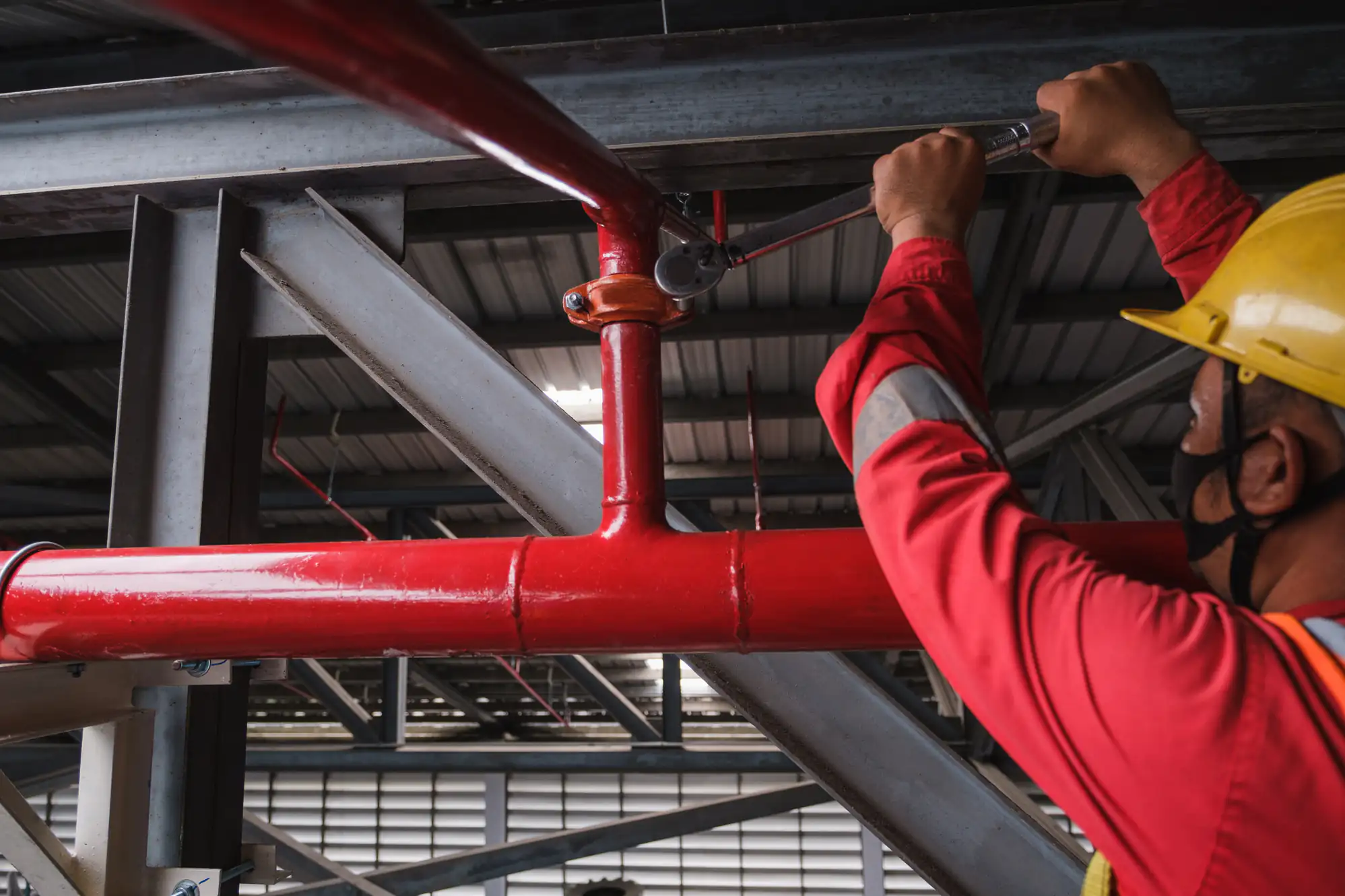
First, we assess your building. Not every property needs the same approach—a small retail shop in Bay Shore has different requirements than a sprawling industrial complex in Hauppauge. We look at your square footage, occupancy type, existing infrastructure, and which fire district codes apply to your location.
Then we design a system that fits. For smaller facilities, that might be a conventional fire alarm. For larger complexes that need detailed monitoring of specific zones, we recommend addressable fire alarm systems. If running wire isn’t practical, we install wireless systems that meet the same code standards.
Installation is handled by NICET certified technicians who know how to integrate smoke alarms, heat detectors, pull stations, and notification devices into a system that communicates properly. If you need a BDA system for emergency responder radio coverage, our FCC-certified team handles that too.
After installation, we test everything, walk you through the system, and set up 24/7 monitoring so you’re never dealing with an emergency alone. Then we schedule your required inspections and maintenance so you stay compliant year after year.
Ready to get started?
You’re getting a complete fire detection system, not just a few smoke detectors slapped on the ceiling. That includes smoke alarms, heat sensors, manual pull stations, and audible/visual notification devices placed according to NFPA standards and local fire codes.
If your building requires it, we install combo smoke and CO alarms or standalone carbon monoxide detectors like Kidde CO alarms. For properties that need advanced monitoring, we set up addressable systems that pinpoint exactly where an alarm originated, which matters when you’re managing a multi-story building in Centereach or a sprawling warehouse in Islandia.
Long Island’s regulatory environment is stricter than many areas, and it’s not uniform. Bay Shore falls under Suffolk County’s decentralized fire district system, which means your fire marshal might enforce different requirements than the one two towns over. We know those differences because we work across 47 communities from Port Jefferson to Central Islip.
Your system also comes with 24/7 professional monitoring. When an alarm triggers, trained operators respond immediately—not an automated system that might miss critical details. We also handle violation correction services if you’ve inherited a non-compliant system or failed a recent inspection.
The cost depends on your building size, occupancy type, and what equipment you need to meet code. A small retail space might run a few thousand dollars for a basic conventional system. A larger facility with addressable fire alarm systems, multiple zones, and integrated BDA systems can run significantly higher.
What drives the price is compliance, not just equipment. Suffolk County’s fire district model means your specific location determines which codes apply, and some districts require more extensive coverage than others. If you’re in a high-occupancy building or handle hazardous materials, you’ll need more detection points and potentially specialized equipment.
The real cost isn’t the upfront installation—it’s what happens if you cut corners. Non-compliance can result in fines, failed inspections, voided insurance, and in the worst case, a fire that your system didn’t catch early enough. You’re not buying a product; you’re buying protection and legal compliance that doesn’t expire the day after installation.
Conventional systems divide your building into zones. When an alarm goes off, you know which zone triggered it, but not the exact device. That works fine for smaller buildings where you can quickly check a handful of rooms.
Addressable systems assign a unique identifier to every device—every smoke detector, every pull station, every heat sensor. When something triggers, you know exactly which device and exactly where it is. If you manage a large office building in Hauppauge or a multi-building campus in Stony Brook, that specificity saves time and potentially lives.
Addressable systems also support more advanced features like pre-alarm warnings that alert you to potential issues before they become emergencies. They reduce false alarms because you can verify what’s happening before evacuating an entire building. The upfront cost is higher, but for larger or more complex properties, the operational benefits and faster emergency response make it the smarter choice.
New York requires annual inspections for most commercial fire alarm systems, but the specifics depend on your occupancy type and local fire district. Some high-risk facilities like hospitals or buildings with large public occupancy need more frequent testing.
The inspection covers everything: smoke detectors, heat sensors, pull stations, notification devices, backup power, and monitoring connections. Inspectors test each component to make sure it activates properly and that signals reach the monitoring station. They also verify that your system still meets current code, which matters because codes change and older systems sometimes need upgrades.
If you fail an inspection, you’re looking at violations that need correction before you can operate legally. That’s where things get expensive—not just the repair costs, but potential fines and business interruption. We handle both routine inspections and violation correction services, so if you’ve inherited a problem system or missed previous inspections, we can bring you back into compliance.
Sometimes smoke detector replacement is straightforward—you swap out old devices for new ones that work with your existing system. Other times, your current system can’t support modern detectors, or the detectors aren’t the real problem.
If your system is more than 15-20 years old, you might be dealing with discontinued equipment that’s hard to service or doesn’t meet current code. Older conventional systems might not support the addressable devices that newer codes require for buildings of your size. In those cases, partial replacement ends up costing more than a full upgrade because you’re trying to make incompatible technology work together.
We assess what you have before recommending anything. If your panel and wiring are solid and you just need new detectors, that’s what we’ll do. If your system is outdated to the point where smoke alarm replacement is just delaying inevitable problems, we’ll tell you that too. The goal is code compliance and reliable protection, not selling you equipment you don’t need.
Our 24/7 monitoring service means trained operators receive the signal immediately, any time of day or night. They’re not automated recordings—they’re real people who can assess the situation, contact you, and dispatch emergency services if needed.
When an alarm triggers, the operator sees which device activated and its exact location if you have an addressable system. They follow your predetermined protocol: call your emergency contact list, notify the fire department, or wait for verification depending on what you’ve set up. If it’s a false alarm, you can provide your passcode to cancel the response.
This matters more than most people realize. Suffolk County alone has multiple fire districts, each with different response protocols. Our operators know how to work with Bay Shore’s fire department, Ronkonkoma’s, Smithtown’s, and every other district we serve. That local knowledge means faster, more appropriate responses instead of confusion about who to call or which codes apply.
Yes, though most of our work focuses on commercial properties—restaurants, warehouses, office buildings, medical facilities, retail spaces. We also serve high-value residential properties across Long Island that need more sophisticated fire detection than basic smoke alarms.
Commercial systems are more complex because the stakes are higher and the codes are stricter. You’re protecting employees, customers, inventory, and business continuity, not just a single family. That means more detection points, commercial-grade equipment like Notifier by Honeywell systems, integration with sprinklers and BDA systems, and monitoring that meets NFPA and local fire marshal requirements.
Residential work typically involves smoke alarm installation, combo smoke and CO alarm setups, or replacing outdated detectors with modern equipment like Nest fire alarms that integrate with home automation. The principles are the same—early detection saves lives and property—but the scale and regulatory requirements differ significantly from commercial installations.
Other Services we provide in Bay Shore