Explore firsthand accounts of our exceptional service and dedication to safety through the glowing testimonials from our satisfied clients.
You get someone who knows the international fire code and NFPA 101 life safety code inside out, so you don’t have to become an expert yourself. When the fire marshal shows up or you’re facing a violation notice, you’re not scrambling to figure out what went wrong or how to fix it.
Most property owners in Bay Shore don’t realize they’re out of compliance until they get the letter. By then, you’re looking at fines that start around $800 and climb past $5,000 for repeat issues. Some violations can shut your building down entirely until they’re corrected.
Fire safety consulting means you stay ahead of those problems. Your systems get reviewed against current ICC building code requirements. Your documentation stays organized and accessible. When FDNY or local inspectors request records, you hand them over instead of digging through emails from three different contractors. You’re not reacting to emergencies—you’re preventing them.
We hold NYS License #12000325006 and Suffolk County license 180. We’re NICET certified, MBE certified, and authorized dealers for Notifier by Honeywell. That’s not just paperwork—it means we’re held to standards that matter when your property’s on the line.
We’ve worked across Bay Shore, Islip, Patchogue, and the surrounding Suffolk County area long enough to know what local inspectors look for and what violations show up most often in commercial buildings here. Restaurant kitchens with outdated suppression systems. Warehouses with blocked egress routes. Office buildings where the fire alarm panel hasn’t been tested in years.
You’re not getting a national chain that treats every property the same. You’re working with a fire protection consultant who understands Long Island’s building stock, local code enforcement, and what it takes to keep your property compliant without wasting your time.
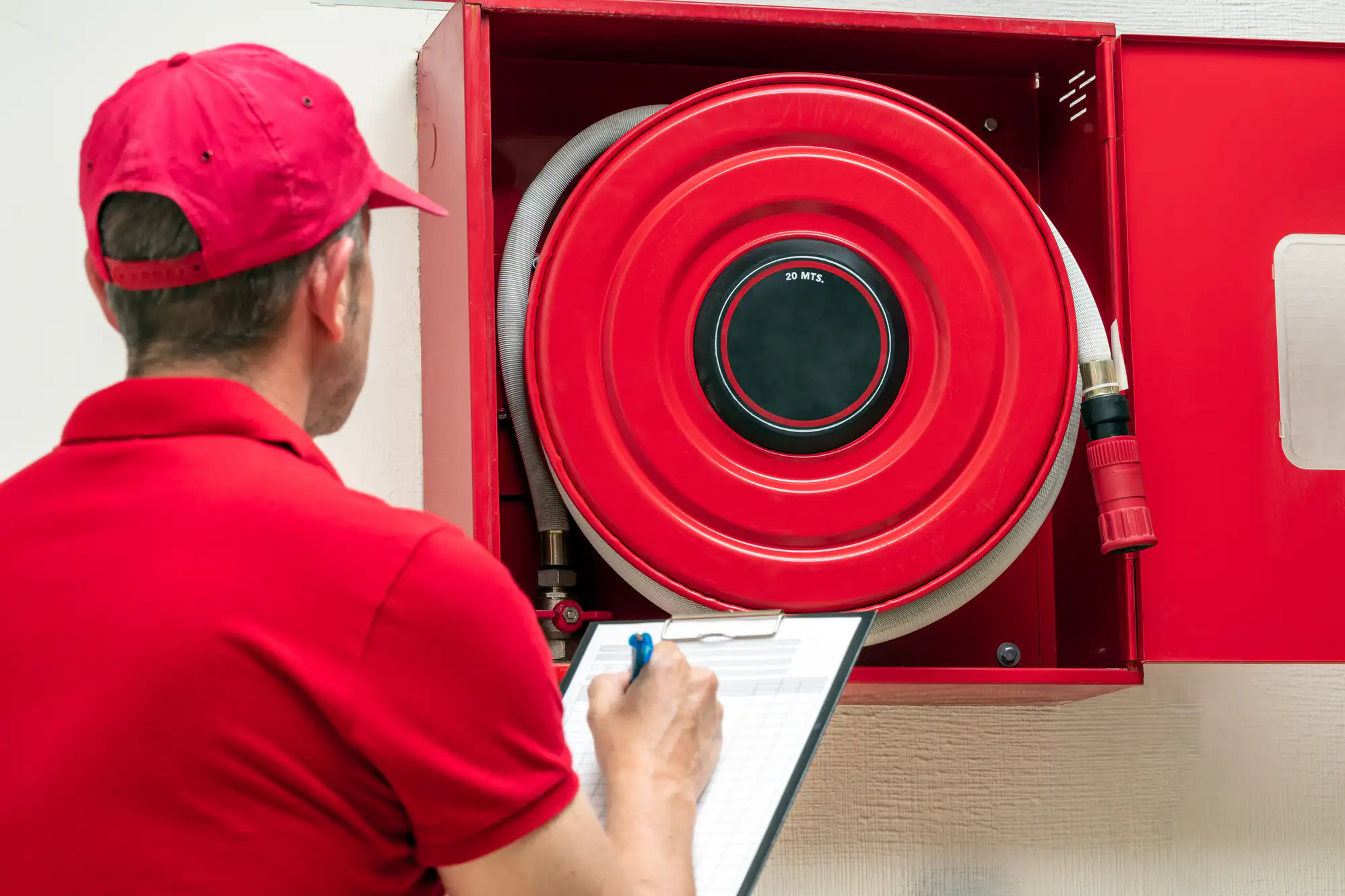
First, we assess your property and current fire protection systems. That means walking the building, reviewing your existing fire safety plan, checking your alarm and suppression systems, and identifying anything that doesn’t meet current code. If you’ve already received a violation notice, we start there and work backward to find the root cause.
Next, we map out what needs to happen. Some fixes are straightforward—updating documentation, scheduling overdue inspections, correcting minor deficiencies. Others require equipment upgrades or system replacements to meet NFPA 101 life safety code standards. We give you a clear breakdown of what’s required, what it costs, and what timeline you’re working with.
Then we handle the corrections and coordinate with inspectors. If you need a fire marshal inspection or follow-up from FDNY, we make sure everything’s documented and ready before they arrive. You’re not guessing whether you’ll pass—you know you will because we’ve already verified compliance.
After that, we set you up with a maintenance schedule so you don’t fall out of compliance again. Fire safety isn’t a one-time checklist. It’s ongoing inspections, testing, and record-keeping that most property managers don’t have time to track on their own.
Ready to get started?
You get a full fire safety plan that meets New York State requirements and local Bay Shore ordinances. That includes egress window code compliance for any below-grade spaces, proper fire alarm placement and functionality, sprinkler system inspection and testing, and emergency lighting verification.
We also handle violation correction for properties that have already been cited. Suffolk County and FDNY don’t care why you’re out of compliance—they care that you fix it fast. We’ve corrected violations for blocked exits, non-functional alarm systems, missing or outdated fire extinguishers, and suppression systems that failed inspection. Most of these issues cost more the longer they sit, both in fines and in risk.
If you’re managing a commercial property in Bay Shore, you’re also dealing with tenant turnover, renovations, and system upgrades that trigger new inspections. Every time you modify a space, your fire safety plan needs to be updated. Every time you add occupants or change how a space is used, code requirements shift. We keep that documentation current so you’re never caught off guard during a routine fire marshal inspection.
For properties that need a home safety check or residential fire safety plan, we handle that too. High-value homes, multi-family buildings, and properties with home offices or rental units all have specific requirements that most homeowners don’t know exist until they’re facing a compliance issue or an insurance claim that gets denied because their systems weren’t up to code.
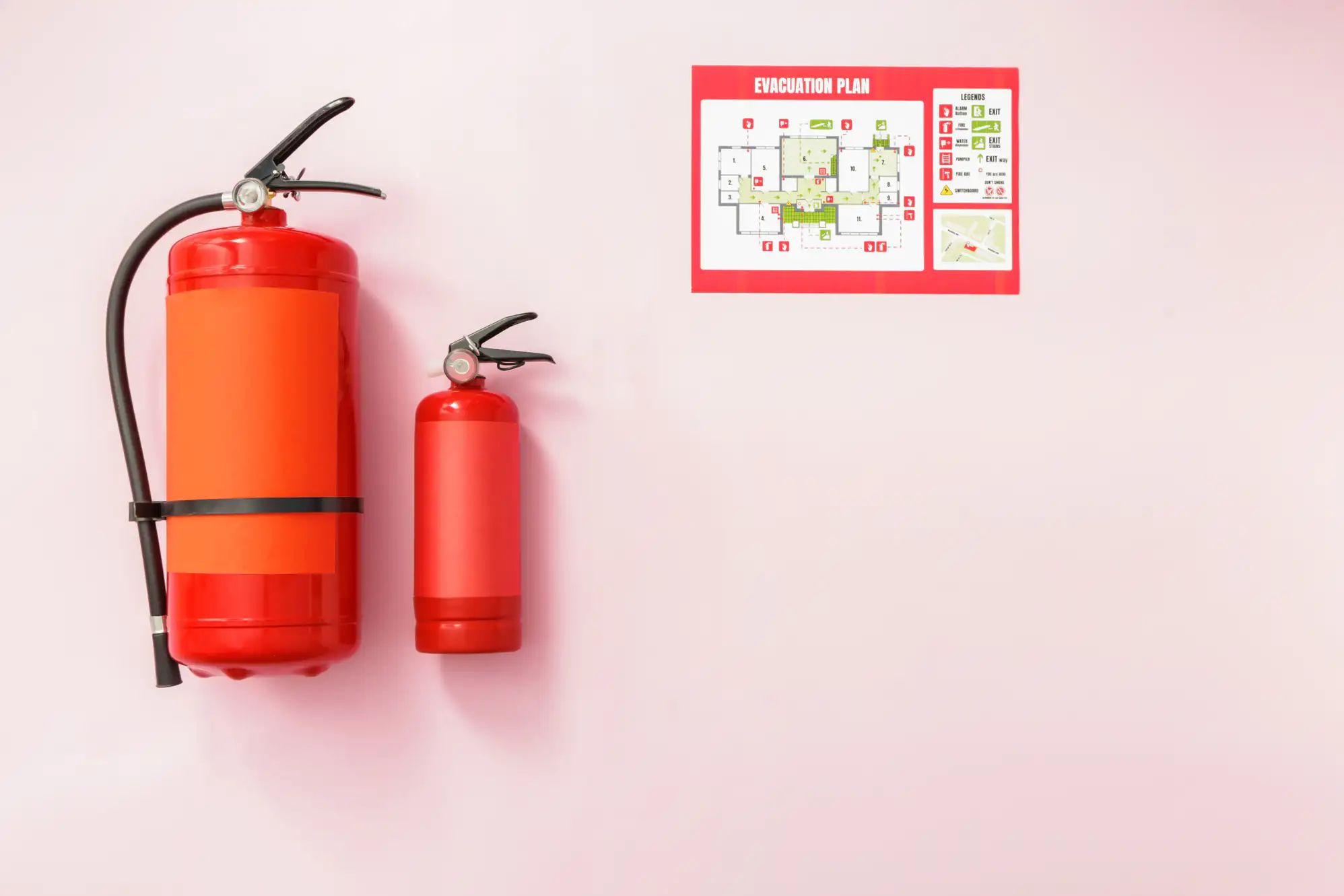
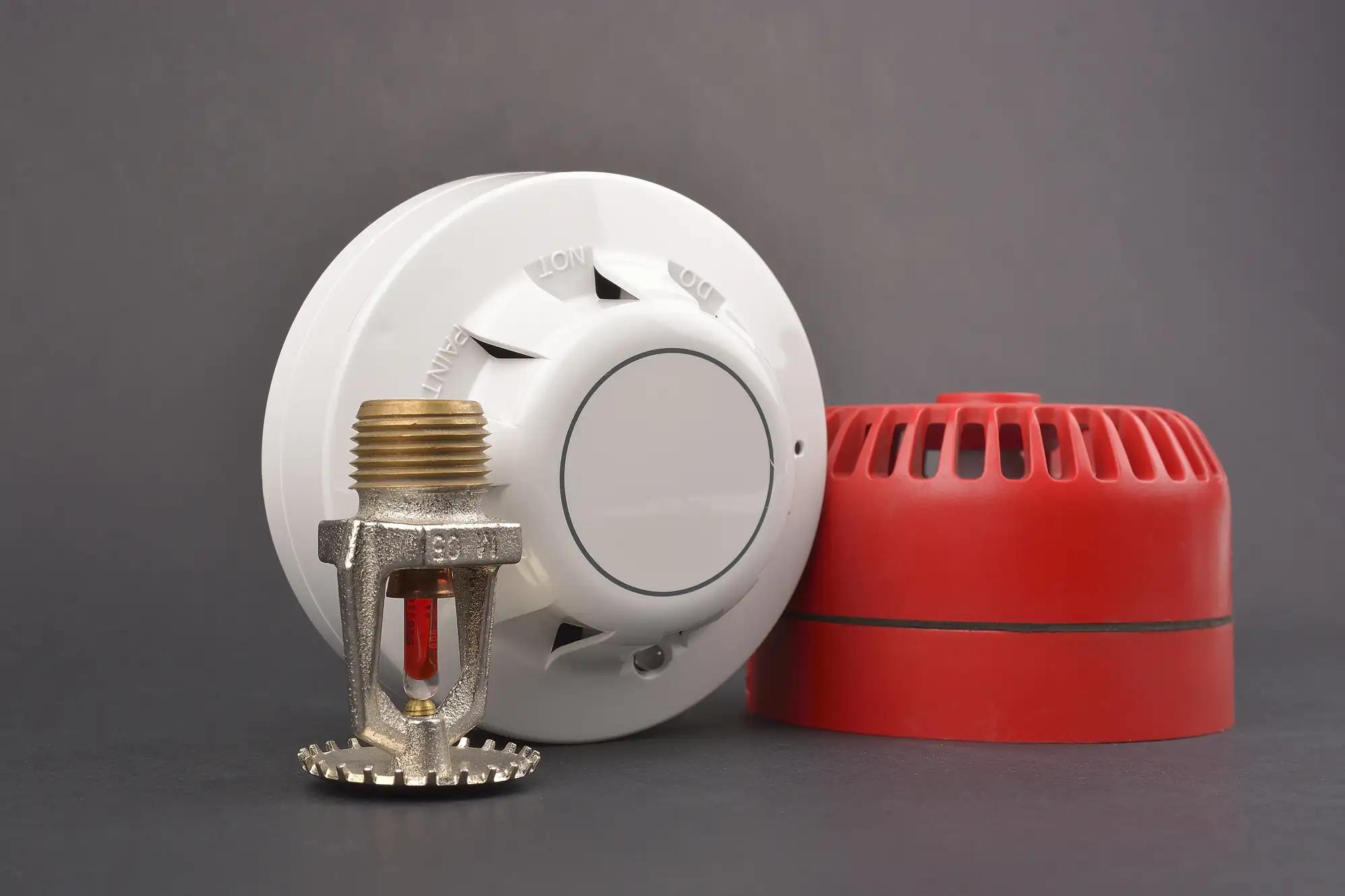
A fire safety consultant reviews your property against current fire codes, identifies gaps in compliance, and helps you correct violations before they become expensive problems. That includes inspecting your fire alarm systems, sprinkler systems, emergency exits, and fire suppression equipment to make sure everything works and meets NFPA 101 life safety code and ICC building code standards.
We also create or update your fire safety plan, which is required for most commercial properties in New York. That plan outlines evacuation routes, emergency procedures, and system maintenance schedules. When inspectors show up, they want to see that plan—and they want to see that it’s current and accurate.
Beyond inspections, we handle the documentation side. Every test, every inspection, every repair needs to be logged and available when FDNY or local fire marshals request it. Most property owners work with multiple contractors—one for alarms, one for sprinklers, one for extinguishers—and the paperwork gets scattered. We centralize that so you’re not digging through files when an inspector asks for proof of compliance.
The fines alone start around $800 for first-time violations and climb past $5,000 for repeat offenses or serious infractions. That’s just the penalty—it doesn’t include the cost of actually fixing the problem. If your fire alarm system is outdated or non-functional, you’re looking at equipment replacement costs on top of the fine.
Some violations come with ECB summonses or orders to correct within a specific timeframe. Miss that deadline and the fines increase. In extreme cases, buildings get shut down until violations are resolved, which means lost revenue if you’re running a business or renting space.
The real cost isn’t always the fine itself—it’s what happens if you don’t address the underlying issue. Insurance companies can deny claims if your building wasn’t code-compliant at the time of a fire. That’s a much bigger financial hit than any violation penalty. Fire safety consulting helps you avoid both the fines and the risk by catching problems before they escalate.
Yes. Having a fire alarm system installed doesn’t mean you’re compliant. New York State requires a written fire safety plan for most commercial buildings, and that plan needs to cover more than just your alarm system. It includes evacuation procedures, staff training requirements, emergency contact information, and maintenance schedules for all fire protection equipment.
Your fire safety plan also needs to be updated whenever you make changes to your building layout, occupancy, or use. If you renovate a space, add tenants, or change how a room is used, your plan needs to reflect that. Inspectors check for this during fire marshal inspections, and outdated or missing plans are common violations.
Even if your alarm system is functioning perfectly, you’re not compliant without the documentation to back it up. That’s where most property owners get tripped up—they assume the equipment is enough, but the fire code requires proof that you’re maintaining it, testing it, and training occupants on how to respond in an emergency.
NFPA 25 requires routine inspections and testing on different schedules depending on the system. Fire alarm systems typically need annual inspections. Sprinkler systems require quarterly checks of certain components and annual full inspections. Fire extinguishers need annual inspections and some require monthly visual checks by building staff.
Emergency lighting and exit signs also have testing requirements—usually monthly quick checks and annual full-duration tests. If any of these inspections are skipped or not documented, you’re out of compliance even if the equipment still works.
Suffolk County and Bay Shore follow New York State fire codes, which align with NFPA standards. That means if you’re not meeting NFPA 25 requirements, you’re violating local code. Inspectors don’t just look at whether your systems function—they check your records to confirm you’ve been maintaining them on schedule. Missing documentation is treated the same as a failed system in many cases.
A fire inspector works for the local fire department or code enforcement office. They show up to verify compliance, issue violations if they find problems, and enforce deadlines for corrections. You don’t hire them—they’re assigned to inspect your property as part of routine enforcement or after a complaint.
A fire safety consultant works for you. We review your property before the inspector arrives, identify issues, and help you fix them so you pass inspection the first time. We also handle ongoing compliance—keeping your systems maintained, your documentation organized, and your fire safety plan current so you’re not reacting to violations after the fact.
Think of it this way: the fire inspector’s job is to find problems and enforce the code. Our job is to make sure there are no problems to find. We’re not adversaries with inspectors—we’re making sure you meet the same standards they’re checking for, just proactively instead of reactively. That saves you time, money, and the stress of dealing with violation notices and fines.
You can, but most property owners don’t have the time or expertise to do it correctly. Fire codes change, inspection requirements vary by building type and occupancy, and documentation standards are specific. If you miss something, you’re still liable for the violation and the fine.
Handling compliance yourself means reading through the international fire code, NFPA 101 life safety code, and ICC building code to understand what applies to your property. Then you need to coordinate inspections with multiple contractors, track testing schedules, maintain records in the format inspectors expect, and update your fire safety plan whenever your building changes. Most property managers are already stretched thin without adding fire code research to the list.
The bigger risk is that you don’t know what you don’t know. A lot of violations happen because property owners assume their systems are fine or don’t realize a code requirement applies to them. By the time you find out, you’re dealing with fines, reinspections, and possibly a shutdown order. A fire protection consultant eliminates that guesswork and keeps you compliant without turning fire safety into a second job.
Other Services we provide in Bay Shore