
Explore firsthand accounts of our exceptional service and dedication to safety through the glowing testimonials from our satisfied clients.
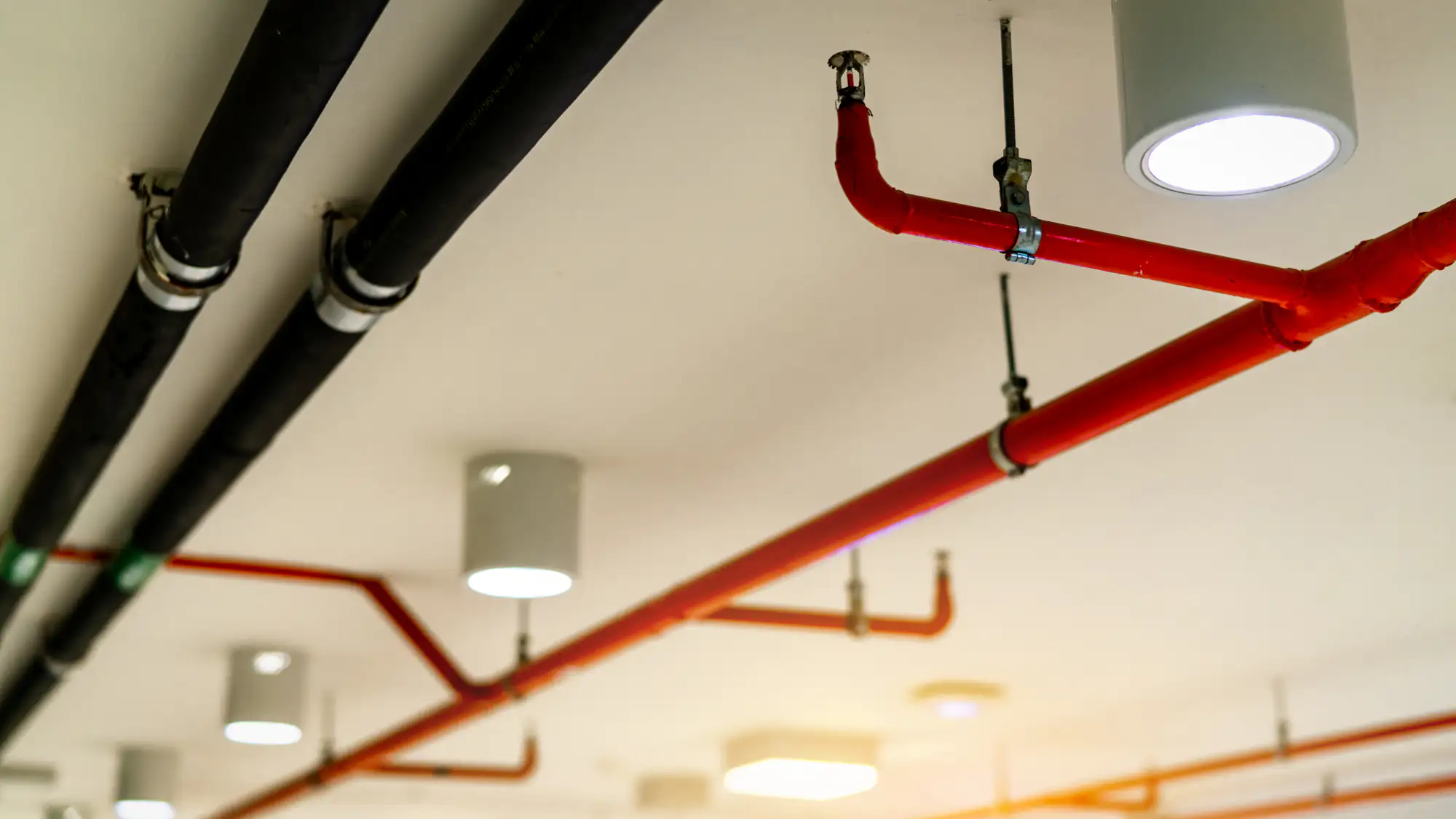
You already know fire inspectors in New York are issuing more violations than ever. What you might not know is how many of those violations come from small oversights—missed testing dates, outdated sprinkler system documentation, or fire pumps that haven’t been serviced according to NFPA 25 standards.
The FDNY doesn’t care if you forgot. Minor violations give you 30 days. Major ones require immediate action. Either way, the clock starts ticking the moment that notice hits your desk.
We handle the entire correction process. Inspection, testing, documentation, and filing—so you can get back to running your business instead of scrambling to interpret building code requirements. Whether it’s your fire sprinkler system in Bay Shore or a full fire alarm upgrade in Central Islip, you get one call, one team, and one less thing keeping you up at night.
We hold NYS License #12000325006, Nassau County licenses, and Suffolk County license 180. We’re NICET certified, MBE certified, and a Notifier by Honeywell authorized dealer. That’s not marketing talk—it’s what allows us to legally install, inspect, and service fire protection systems across Bay Shore, Ronkonkoma, Islip, and the rest of Long Island.
We’re also one of the few contractors in the region offering 24/7 emergency response. Fires don’t wait for business hours, and neither do system failures. When you call, we respond within an hour and guarantee a technician on-site within four hours.
Bay Shore property owners deal with a mix of older buildings and newer commercial developments. That means navigating different fire codes, retrofit challenges, and compliance timelines. We’ve been doing this long enough to know which fire districts enforce what, and how to get your systems up to code without unnecessary delays or costs.
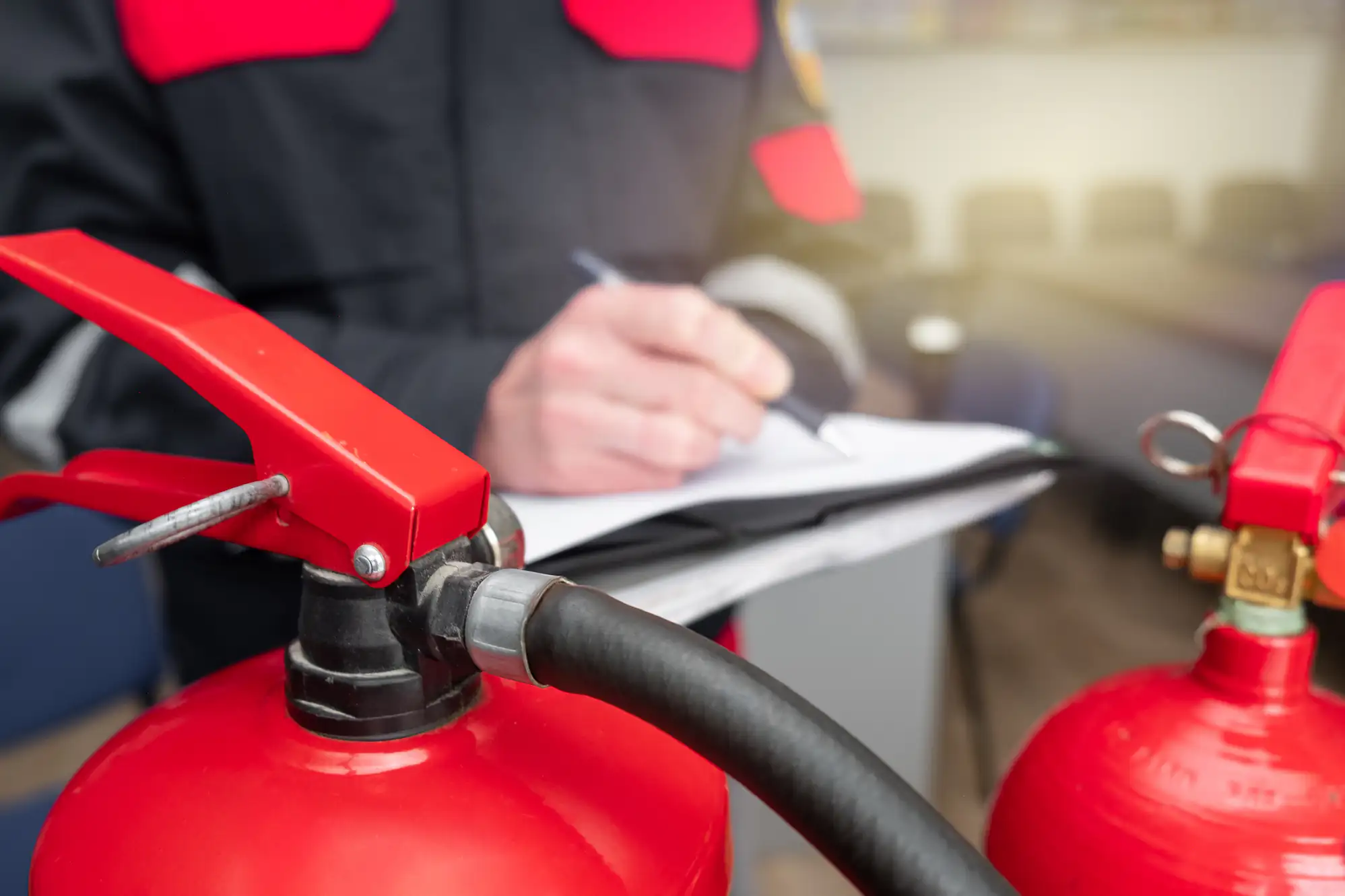
First, we assess your current fire protection setup. That includes your fire sprinkler system, fire alarm panel, standpipes, fire pump, and any suppression systems like kitchen hoods. We’re looking for code compliance, system functionality, and anything that could trigger a violation during an FDNY inspection.
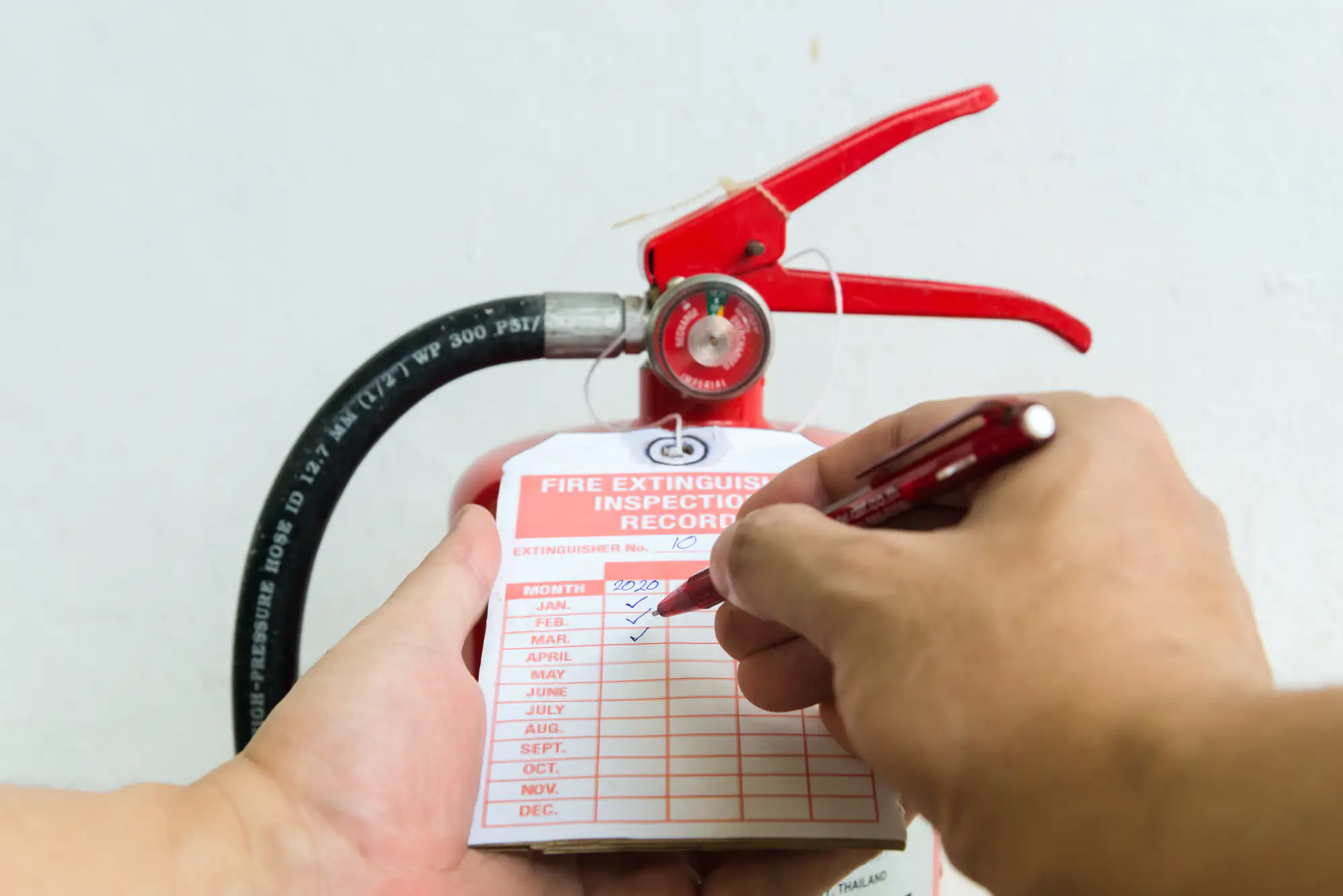
Next, we test everything according to NFPA 25 and the International Building Code. Sprinkler flow tests, alarm functionality, pump performance, backflow prevention—it all gets documented with timestamps and technician signatures. If something’s not up to code, we’ll tell you what needs fixing and how much time you have to correct it.
Once repairs or upgrades are done, we file the necessary paperwork with the fire department. You get copies of everything: inspection reports, test results, and compliance certificates. If a violation already exists, we coordinate directly with the local fire marshal to get it cleared. Most minor issues can be resolved in one visit. Larger projects—like replacing an outdated fire alarm system or installing a new fire pump—get scheduled with clear timelines and no surprise costs.
Ready to get started?
Fire protection services in Bay Shore cover more than just installing a fire sprinkler system and walking away. You’re dealing with ongoing inspections, quarterly testing, annual certifications, and emergency repairs when something breaks at 2 a.m.
Here’s what that looks like in practice. NFPA 25 requires routine inspections of all water-based fire protection systems—sprinklers, standpipes, fire pumps, and backflow preventers. Those aren’t suggestions. The FDNY enforces them, and failure to comply results in violations that can shut down your building or delay occupancy permits.
Bay Shore sits in Suffolk County, where fire safety regulations can vary by district. Some areas have stricter requirements for commercial kitchens. Others focus heavily on high-rise buildings or warehouses with specialized suppression needs. Knowing which codes apply to your property—and how to stay ahead of them—is half the battle. We also handle BDA system installation for buildings that need enhanced emergency communication, a requirement that’s becoming more common across Long Island as older structures get updated to meet current Title 24 standards.
You also get access to violation correction services. If the fire department tags your building, we can handle it right away—assessment, repair, documentation, and follow-up. One call handles the whole process.

NFPA 25 requires annual inspections for most fire sprinkler systems, but some components need more frequent attention. Sprinkler gauges and control valves should be checked quarterly. Fire pumps need monthly visual inspections and annual flow tests. Backflow preventers require testing every year as well.
If your building is in a high-occupancy category—like a restaurant, warehouse, or multi-family residential—you might also be subject to more frequent inspections depending on your fire district’s local requirements. Suffolk County allows individual fire districts to set their own enforcement schedules, so what applies in Bay Shore might differ slightly from Islip or Hauppauge.
The safest approach is to get on a scheduled maintenance plan. That way, inspections happen automatically, documentation stays current, and you’re never caught off guard by an FDNY visit or a surprise violation notice.
You’ll get a notice from the fire department outlining the violation, the severity, and the correction deadline. Minor violations typically give you 30 days to fix the issue and provide proof of compliance. Major violations—like a non-functional fire alarm system or a failed fire pump—require immediate correction.
Ignoring a violation isn’t an option. Penalties escalate quickly, and in some cases, the fire marshal can restrict building occupancy until the issue is resolved. That’s lost revenue, delayed projects, and a lot of unnecessary stress.
We handle the entire correction process. Once you call, we schedule an on-site assessment, identify what needs to be repaired or replaced, complete the work, and submit the required documentation to the fire department. Most violations can be cleared within the original deadline if you act fast. Waiting until the last minute just makes everything harder and more expensive.
It depends on your building’s height, occupancy type, and water pressure. If your fire sprinkler system can’t maintain adequate pressure using the municipal water supply alone, the building code requires a fire pump to boost pressure and ensure proper sprinkler coverage.
Most buildings over four stories need a fire pump. Warehouses, large retail spaces, and industrial facilities often require them as well, especially if the property sits in an area with lower water pressure. Bay Shore has a mix of commercial and industrial zones, and older buildings in particular tend to need pump upgrades when systems get modernized.
Fire pumps also require regular testing under NFPA 25. That includes weekly visual checks, monthly run tests, and annual flow tests to verify performance. If your pump fails during an inspection, it’s considered a major violation. Getting it repaired or replaced quickly is critical to staying compliant and keeping your fire protection system functional.
Yes. Retrofitting fire protection systems into older buildings is a big part of what we do. Bay Shore has plenty of pre-war and mid-century commercial properties that were built before modern fire codes existed. Bringing those buildings up to current standards requires careful planning, especially when you’re dealing with limited ceiling space, outdated plumbing, or structural constraints.
The process usually starts with a site assessment. We evaluate the building layout, existing utilities, and any code requirements triggered by renovations or change of use. From there, we design a fire sprinkler system or fire alarm system that meets the International Building Code and NFPA standards without requiring a full gut renovation.
In some cases, you can use retrofit sprinkler heads or surface-mounted conduit to minimize invasive work. Other projects might require more extensive upgrades, especially if the building is changing from office space to restaurant use or adding new occupancy levels. Either way, we walk you through the options, pull the necessary permits, and coordinate inspections so the project stays on schedule.
A fire alarm system detects smoke or heat and alerts occupants to evacuate. A fire sprinkler system suppresses the fire by releasing water when heat activates the sprinkler heads. Both are required in most commercial buildings, but they serve different functions and operate independently.
Fire alarms are your early warning system. Smoke detectors, heat sensors, and manual pull stations all feed into a central panel that triggers audible alarms and, in many cases, automatically notifies the fire department. Modern systems also integrate with building automation, emergency lighting, and elevator recall.
Fire sprinklers are your active suppression system. When a sprinkler head reaches a certain temperature, it opens and releases water directly onto the fire. Contrary to what you see in movies, only the heads near the fire activate—not the entire building. Sprinklers control or extinguish fires before they spread, which is why building codes require them in most commercial and multi-family properties.
Both systems need regular inspections and testing. Fire alarms require annual testing of all devices and quarterly checks of backup batteries. Fire sprinkler systems need annual inspections, flow tests, and valve checks. Skipping either one puts your building at risk and opens the door to violations.
It depends on the size of the building, the complexity of the system, and whether you’re doing new construction or a retrofit. A small commercial space—say, 2,000 to 5,000 square feet—might take one to two weeks from start to finish. Larger buildings, multi-story properties, or projects with custom suppression needs can take several weeks or longer.
The timeline also depends on permitting and inspections. Suffolk County requires plan approval before installation begins, and final inspections before the system can go live. If your project involves coordinating with other trades—like HVAC, electrical, or plumbing—that can add time as well.
We provide a clear timeline during the estimate phase. You’ll know when installation starts, when inspections are scheduled, and when the system will be operational. If you’re working around tenant occupancy or business hours, we can schedule work in phases to minimize disruption. Retrofits in occupied buildings take a bit longer because we’re working around your operations, but the process stays organized and predictable from start to finish.
Other Services we provide in Bay Shore