Explore firsthand accounts of our exceptional service and dedication to safety through the glowing testimonials from our satisfied clients.
You’re not dealing with fire code violations that stack up into thousands in fines. Your insurance company isn’t questioning your coverage when you need it most. Your facility manager isn’t scrambling to fix failed inspections that shut down operations.
That’s what happens when your fire detection system is installed right from the start. You pass inspection. Your building stays compliant. Your business keeps running.
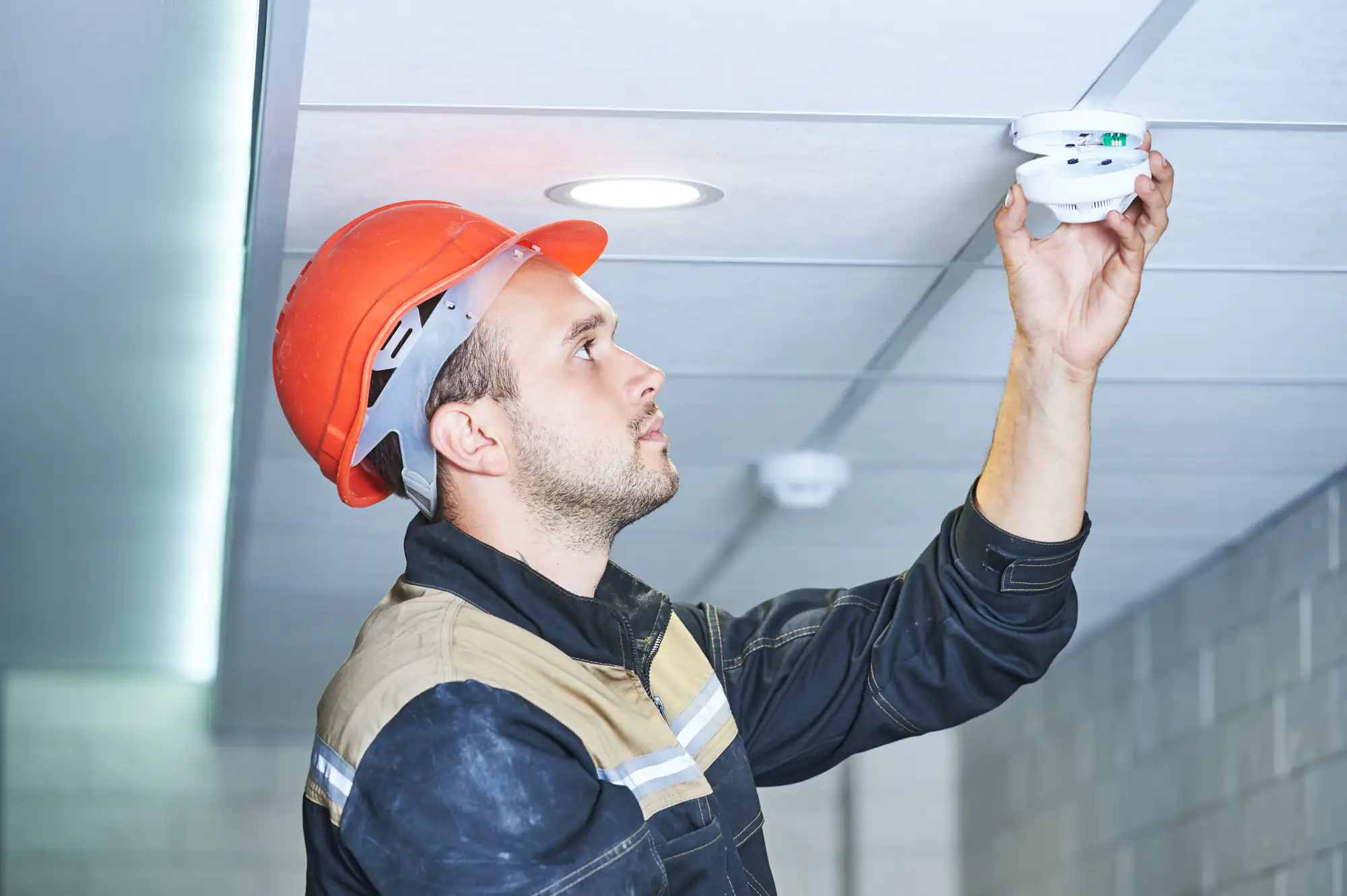
The difference comes down to who’s doing the work. NICET certified technicians who know Suffolk County requirements don’t guess—they install systems that meet NFPA standards and local codes the first time. You’re not paying twice to fix shortcuts or dealing with inspectors who red-tag your property because someone didn’t pull the right permits.
We operate under NYS License #12000325006, Suffolk County License 180, and Nassau County licenses that cover every jurisdiction we serve. We’re NICET certified, which means our technicians meet national standards for fire alarm installation competency—not just local requirements.
We’re also a Notifier by Honeywell authorized dealer and a member of the New York Fire Alarm Association. That’s not name-dropping. It means we have direct access to manufacturer support, updated code training, and the equipment that inspectors recognize and approve.
Bay Shore properties—whether you’re running a warehouse off Sunrise Highway or managing commercial space near the Fire Island Ferry terminal—face specific challenges with aging electrical infrastructure and varying municipal requirements. We’ve been handling those variables across Suffolk and Nassau counties long enough to know what works and what causes problems down the line.
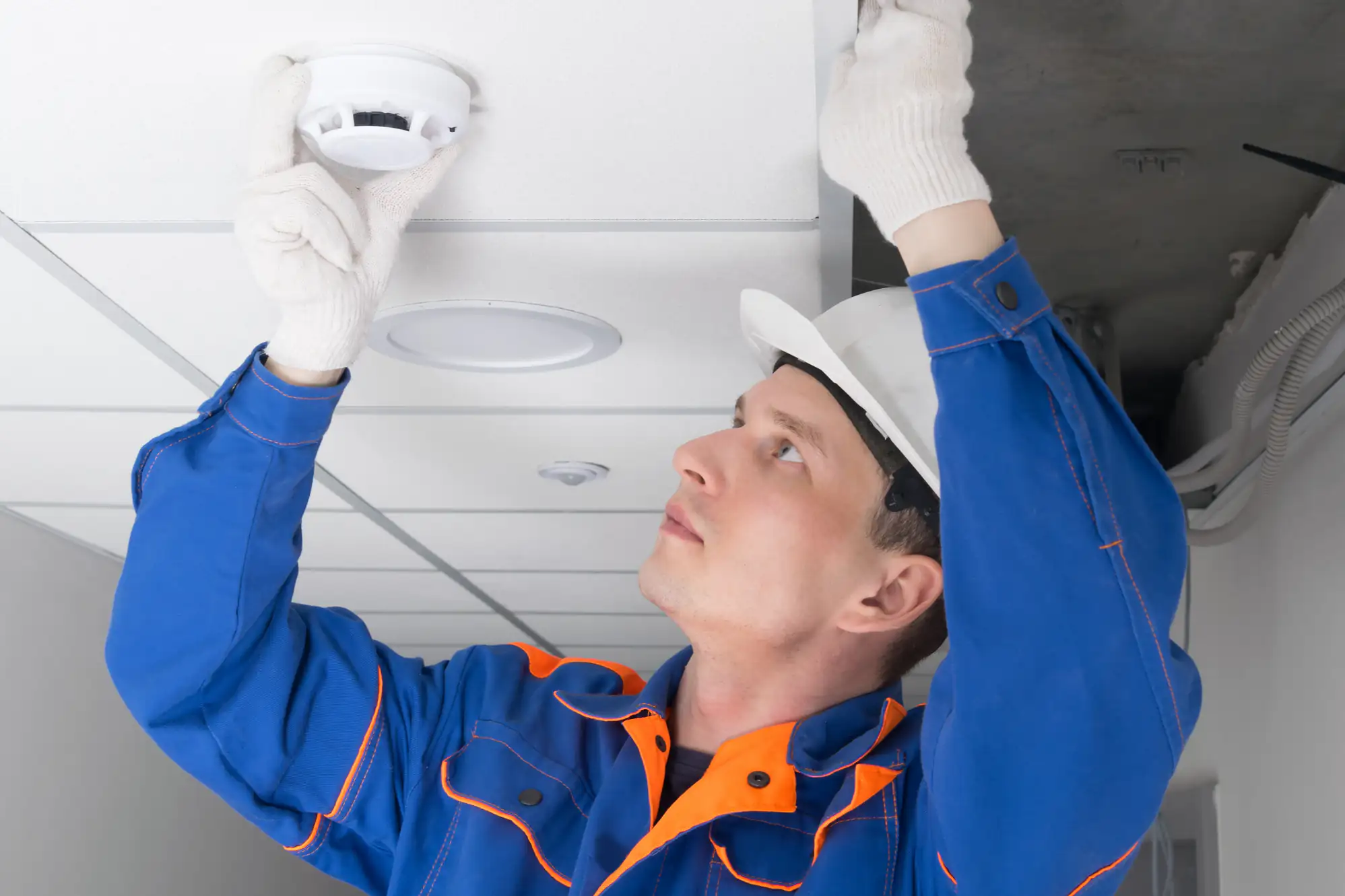
First, we assess your property and review what’s required for your specific building type and occupancy. That includes checking existing infrastructure, understanding your local fire marshal’s expectations, and identifying any violation correction needs if you’re dealing with existing issues.
Then we design a system that fits your layout and meets code. If you’re in an older Bay Shore building with outdated wiring, we account for that. If you need a fire alarm system that integrates with existing security or building automation, we map that out before installation starts.
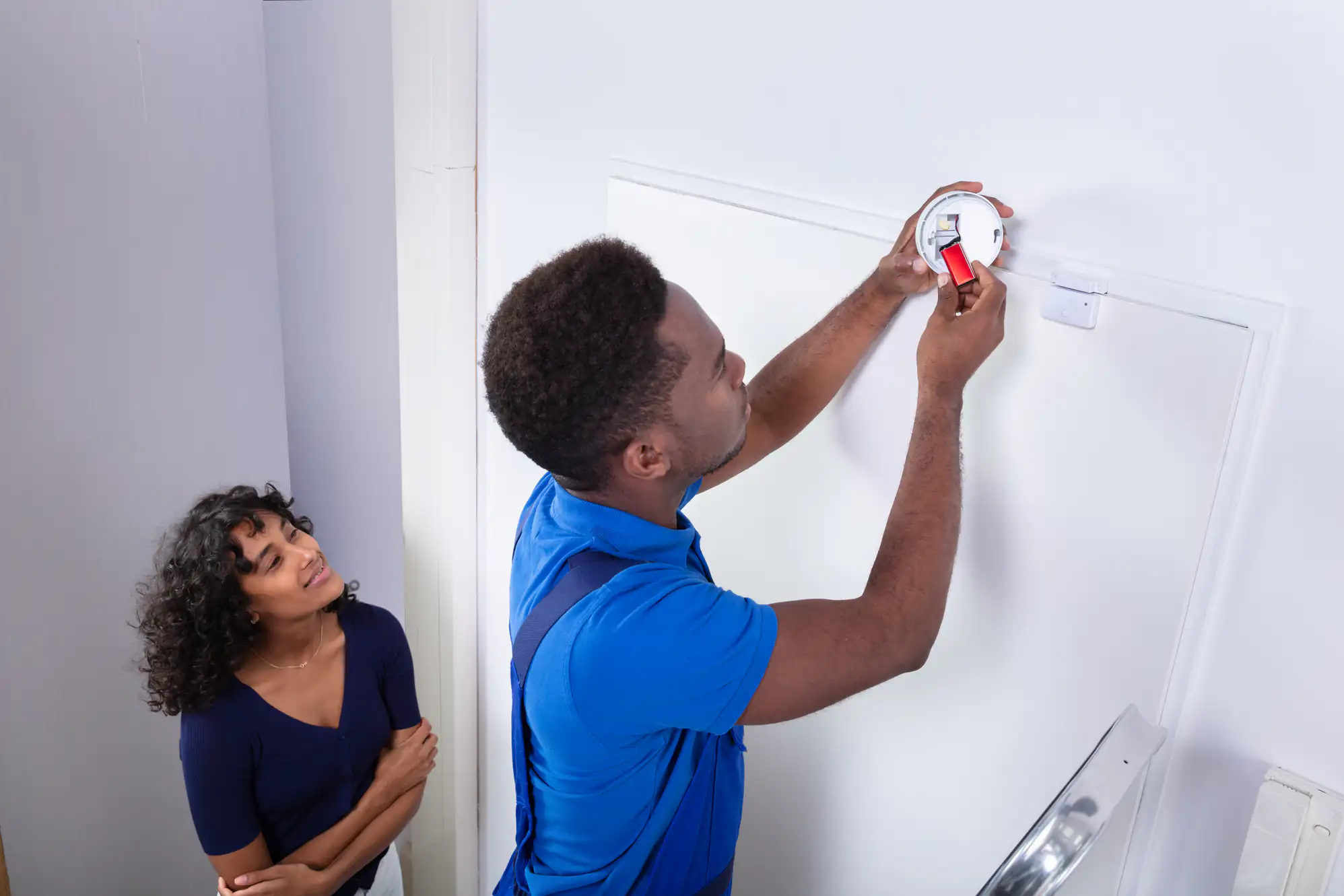
Installation happens with licensed technicians who pull proper permits and coordinate inspections. You’re not waiting weeks for callbacks or fixes—the system goes in correctly, gets tested, and passes inspection. We handle the paperwork, the inspector walkthroughs, and any final adjustments on the spot.
After installation, you get documentation for your insurance company and ongoing monitoring options if needed. Your system stays compliant, and you have a local contact who knows your setup if anything needs attention later.
Ready to get started?
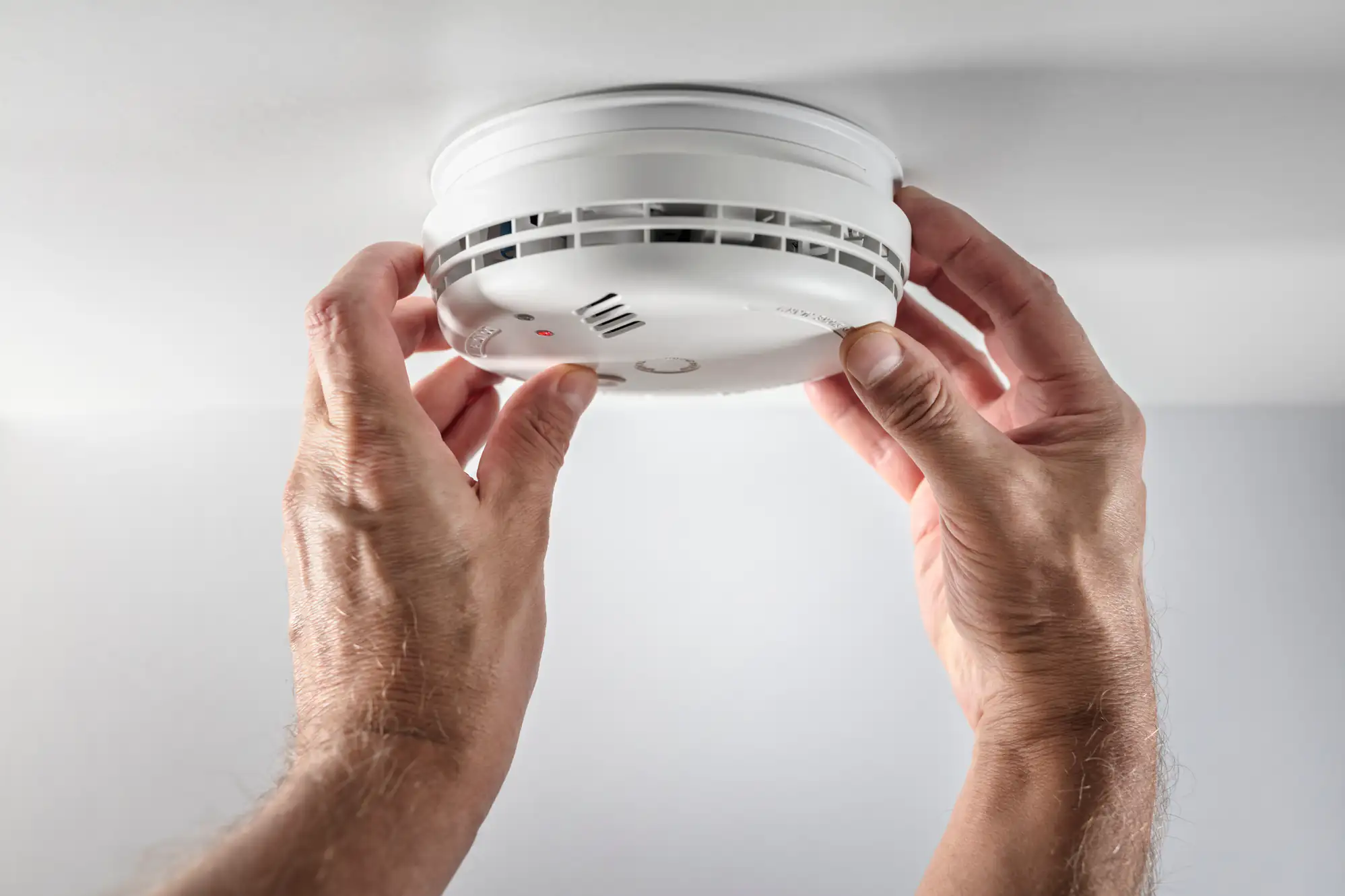
You’re getting a complete fire detection system designed for your building’s square footage, occupancy type, and local requirements. That includes smoke detectors, heat detectors, pull stations, notification devices, and a control panel that meets current NFPA standards.
For Bay Shore commercial properties, that often means addressing specific challenges. Suffolk County’s fire risks center on aging electrical systems in mid-century buildings—many properties still have original wiring that doesn’t support modern fire alarm loads. We handle those upgrades as part of the installation so your system operates reliably.
If you’re dealing with existing violations, we provide correction services that resolve the specific issues cited by inspectors. That’s not a band-aid fix—it’s bringing your entire system up to current code so you don’t face repeat violations or escalating fines that start at $250 and climb past $5,000 for repeat offenses.
You also get access to 24/7 monitoring services if your building requires it. Our operators are trained to handle emergency response coordination, which matters when seconds count and you need fire departments notified immediately.
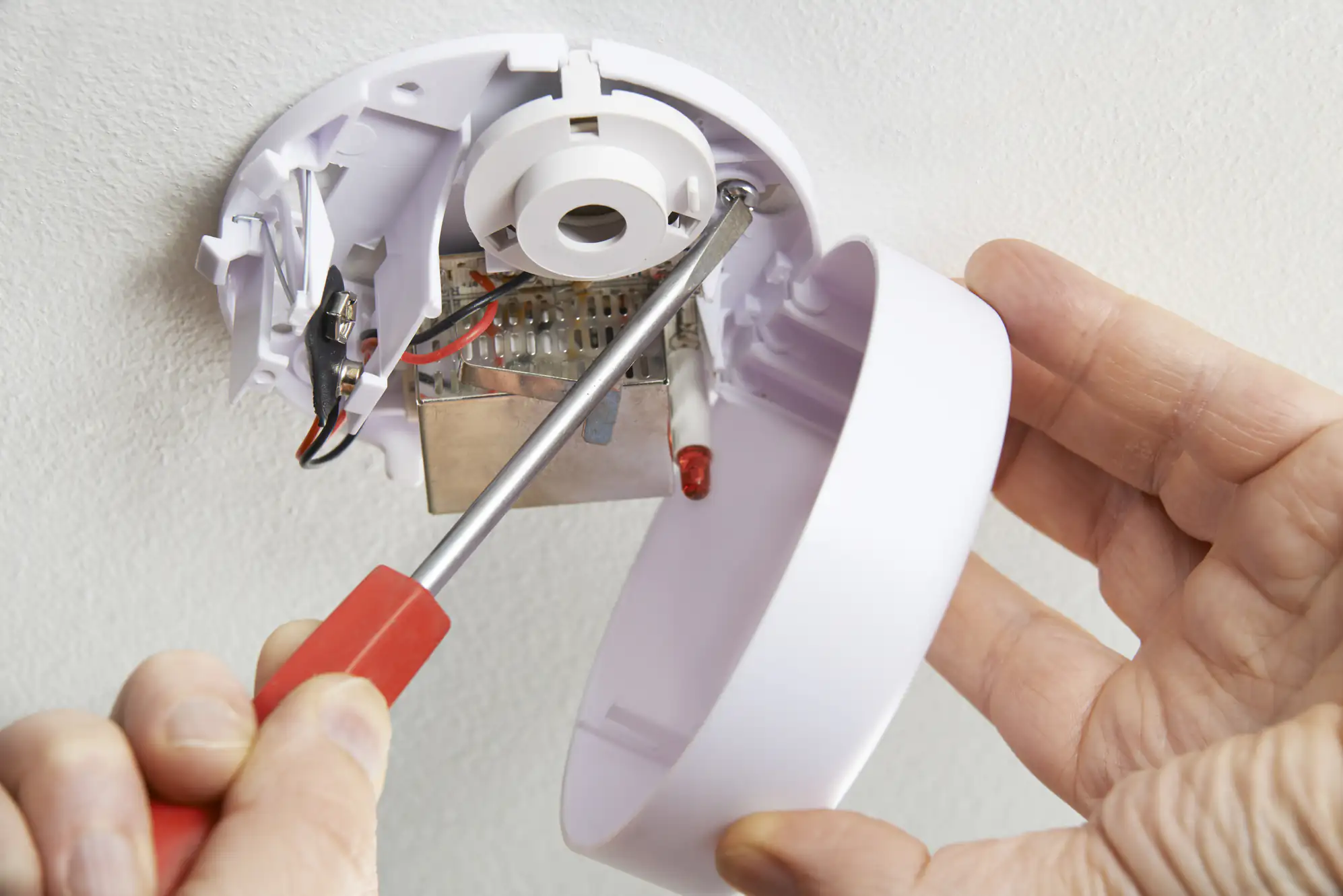
Cost depends on your building size, the type of system required, and whether you’re starting fresh or correcting existing violations. A basic smoke detector replacement in a small retail space runs differently than a full fire detection system for a 20,000 square foot warehouse.
What drives the price up isn’t the equipment—it’s the complexity of your building and the scope of work needed to meet code. If you have an older property with outdated wiring, you’re looking at electrical upgrades before the fire alarm even goes in. If you need a fire alarm system with remote monitoring or integration with existing building systems, that adds components and programming time.
The real cost to consider is what happens if you don’t install it correctly. Failed inspections mean you’re paying for the work twice. Violations start at $250 for first-time offenses and climb to $1,000-$5,000 for repeat issues. Insurance companies can deny claims if your system wasn’t compliant when a fire occurs. You’re better off investing in proper installation than dealing with those consequences.
Smoke detectors are individual devices that alert people in the immediate area when they sense smoke. A fire alarm system is a networked setup that includes smoke detectors, heat detectors, pull stations, and notification devices all connected to a central control panel that can trigger building-wide alerts and notify monitoring stations.
For residential properties, standalone smoke detectors often meet code requirements. For commercial buildings, warehouses, multi-family housing, and most properties in Bay Shore with business operations, you need a full fire detection system that meets NFPA standards and local fire marshal requirements.
The difference matters because commercial properties have different occupancy loads, egress requirements, and liability concerns. A fire alarm system provides faster detection, wider notification, and automatic emergency response coordination. It’s also what your insurance company expects to see when they’re underwriting your policy—and what inspectors are checking for during fire safety inspections.
A straightforward installation in a small commercial space might take one to two days. Larger buildings with complex layouts, multiple zones, or integration requirements can take a week or more depending on the scope.
The timeline isn’t just about running wire and mounting devices. You’re dealing with permit approvals, coordinating with your local fire marshal’s office, and scheduling inspections that have to happen at specific stages of the work. If you’re in Bay Shore and need Suffolk County approvals, that adds time to the front end of the project.
What slows things down is usually existing building conditions. If we find outdated electrical panels, asbestos-wrapped pipes that limit access, or previous fire alarm work that wasn’t done to code, those issues need correction before the new system goes in. Rushing through those problems just means failed inspections and having to redo work—which costs more time and money than doing it right the first time.
It depends on your building type, occupancy, and what your local fire code requires. Many commercial properties in Suffolk County are required to have monitored fire alarm systems that automatically notify a central station when an alarm triggers—especially if you have after-hours operations, high occupancy loads, or specific business types like restaurants or warehouses.
Monitored systems provide faster emergency response because trained operators receive the alarm signal immediately and dispatch fire departments without waiting for someone on-site to call 911. That matters for insurance purposes too—many commercial policies require monitored fire protection, and some offer premium reductions of 5-20% when you have professionally monitored systems in place.
If you’re not sure what’s required for your property, that’s something we determine during the initial assessment. We review your building’s use, check local fire marshal requirements, and confirm what your insurance policy mandates. You don’t want to install a system that doesn’t meet requirements and then face violations or coverage issues later.
Yes, violation correction is a significant part of what we do. Many Bay Shore property owners contact us after receiving citations from fire inspectors for systems that weren’t installed correctly, aren’t up to current code, or have failed maintenance requirements.
Common violations we see include outdated smoke detector models that no longer meet NFPA standards, fire alarm panels that aren’t properly monitored, notification devices that don’t provide adequate coverage, and systems that were never permitted or inspected properly in the first place. Each of those issues has specific correction requirements, and inspectors want to see documentation that the work was done by licensed professionals.
We start by reviewing the violation notice to understand exactly what the inspector cited. Then we assess your current system, identify what needs replacement or upgrade, and create a correction plan that brings everything into compliance. The goal is resolving the violation completely so you don’t face repeat citations, escalating fines, or shutdown orders that interrupt your business operations.
We’re a Notifier by Honeywell authorized dealer, which means we install and service one of the most widely recognized fire alarm brands in commercial fire protection. Notifier systems are known for reliability, inspector familiarity, and long-term parts availability—all of which matter when you’re maintaining a system over 10-20 years.
That authorization isn’t just about selling equipment. It means we have direct manufacturer support, access to technical training on new products, and the ability to get parts and service quickly when you need it. Inspectors recognize Notifier systems and know they meet code requirements, which helps during inspections and certificate of occupancy approvals.
We also work with other commercial-grade fire alarm equipment when your building has specific needs or existing infrastructure that makes sense to maintain. What we don’t install is residential-grade equipment in commercial applications or off-brand systems that create parts availability problems down the line. Your fire detection system needs to work reliably for years, pass inspections consistently, and have support available when you need service—that’s what drives our equipment recommendations.
Other Services we provide in Bay Shore