
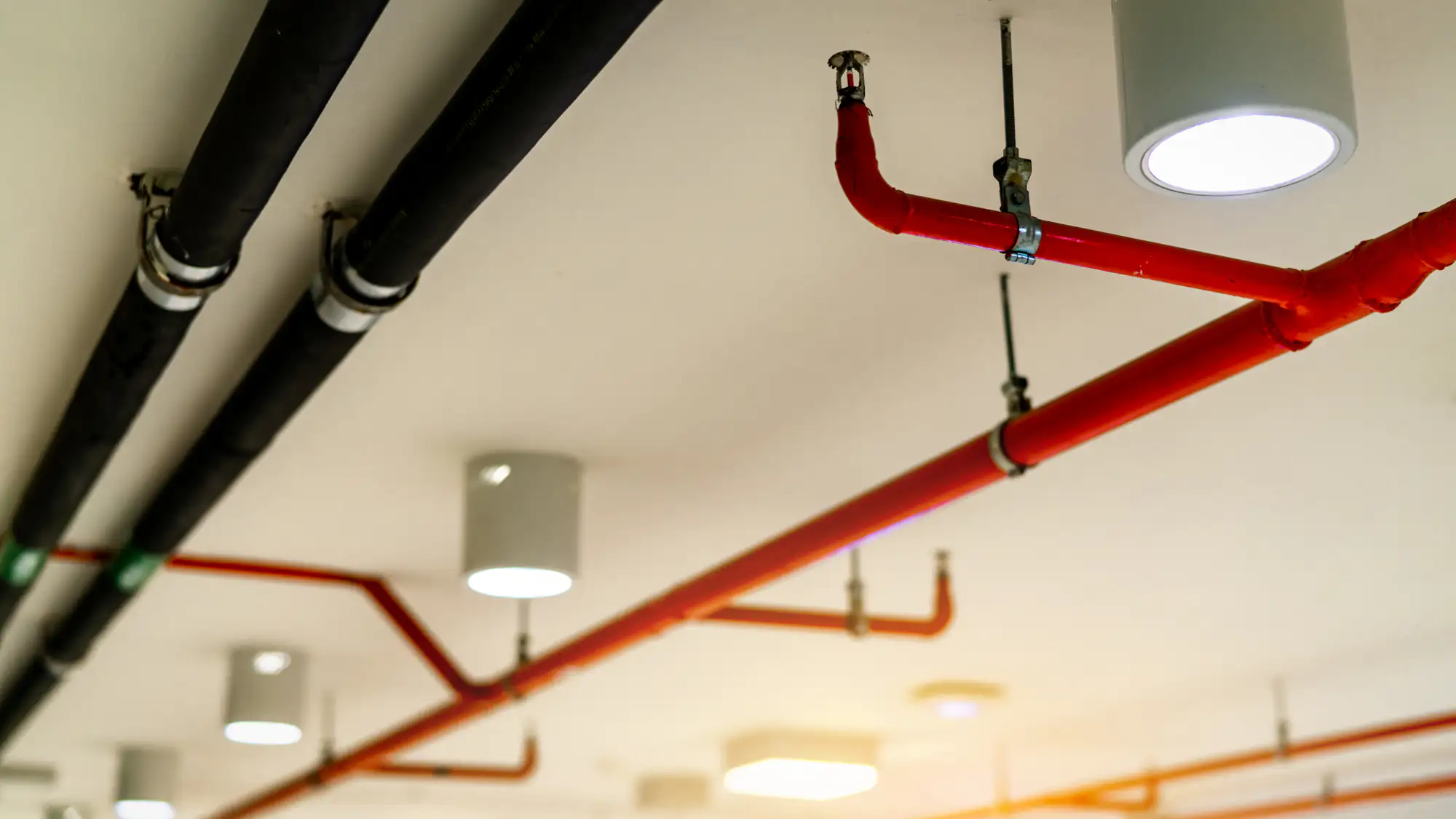
Explore firsthand accounts of our exceptional service and dedication to safety through the glowing testimonials from our satisfied clients.
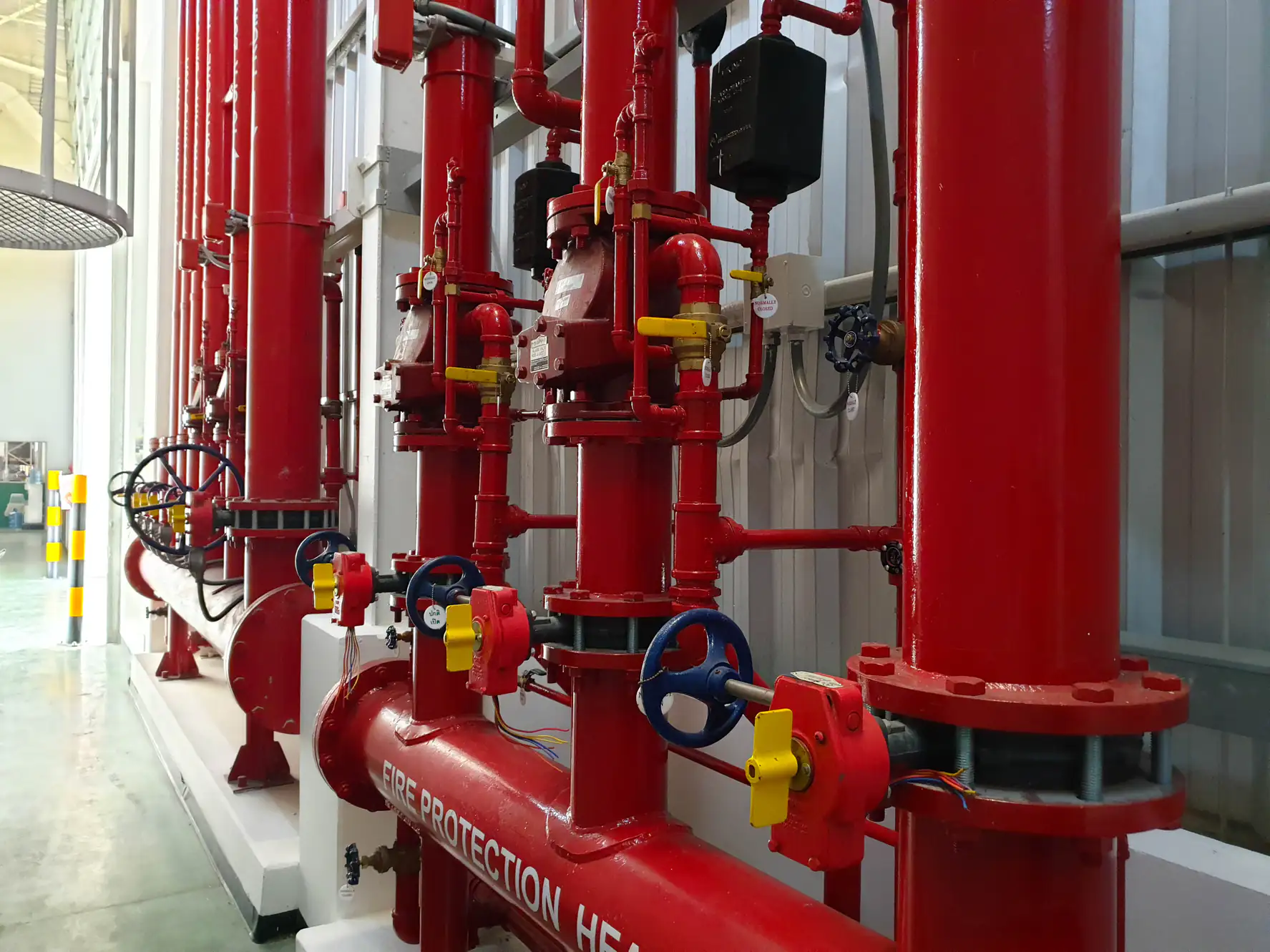
Here’s what most property owners in Coram deal with: confusing fire code requirements, surprise FDNY violations that come with fines, and the constant question of whether their fire sprinkler system will actually work during an emergency. You’re not looking for the cheapest option. You need a system that meets building code requirements, passes inspections the first time, and gives you real protection.
That’s what proper fire sprinkler system installation does. It keeps your building compliant with NFPA 25 standards and the International Building Code. It protects your property investment and the people inside. And it removes the headache of dealing with violation notices and scrambling to find someone who can fix problems correctly.
When a system is installed right from the start, you’re not calling for emergency repairs or paying penalties. You’re operating with confidence that your fire protection actually works. Properties with properly installed sprinkler systems see 85% less property loss during fires and dramatically lower insurance premiums. That’s the difference between a checkbox installation and one done by certified professionals who understand both the technical requirements and the local regulations.
We hold NYS License #12000325006, Suffolk County license 180, and Nassau County licenses because we’ve met the requirements and maintained the standards. We’re NICET certified professionals and a Notifier by Honeywell authorized dealer, which means we install systems using equipment that’s built to last and meets manufacturer specifications.
We’ve been serving Coram, Ronkonkoma, Hauppauge, and the surrounding Suffolk County area because commercial property owners here face specific challenges. Local Law 26 requirements for office buildings. Title 24 compliance for certain properties. FDNY inspections that catch small details. You need someone who knows what inspectors look for and how to get systems approved without delays.
We’re also an MBE certified Minority Business Enterprise and members of the New York Fire Alarm Association. That matters because it shows we’re invested in this community and this industry for the long term.
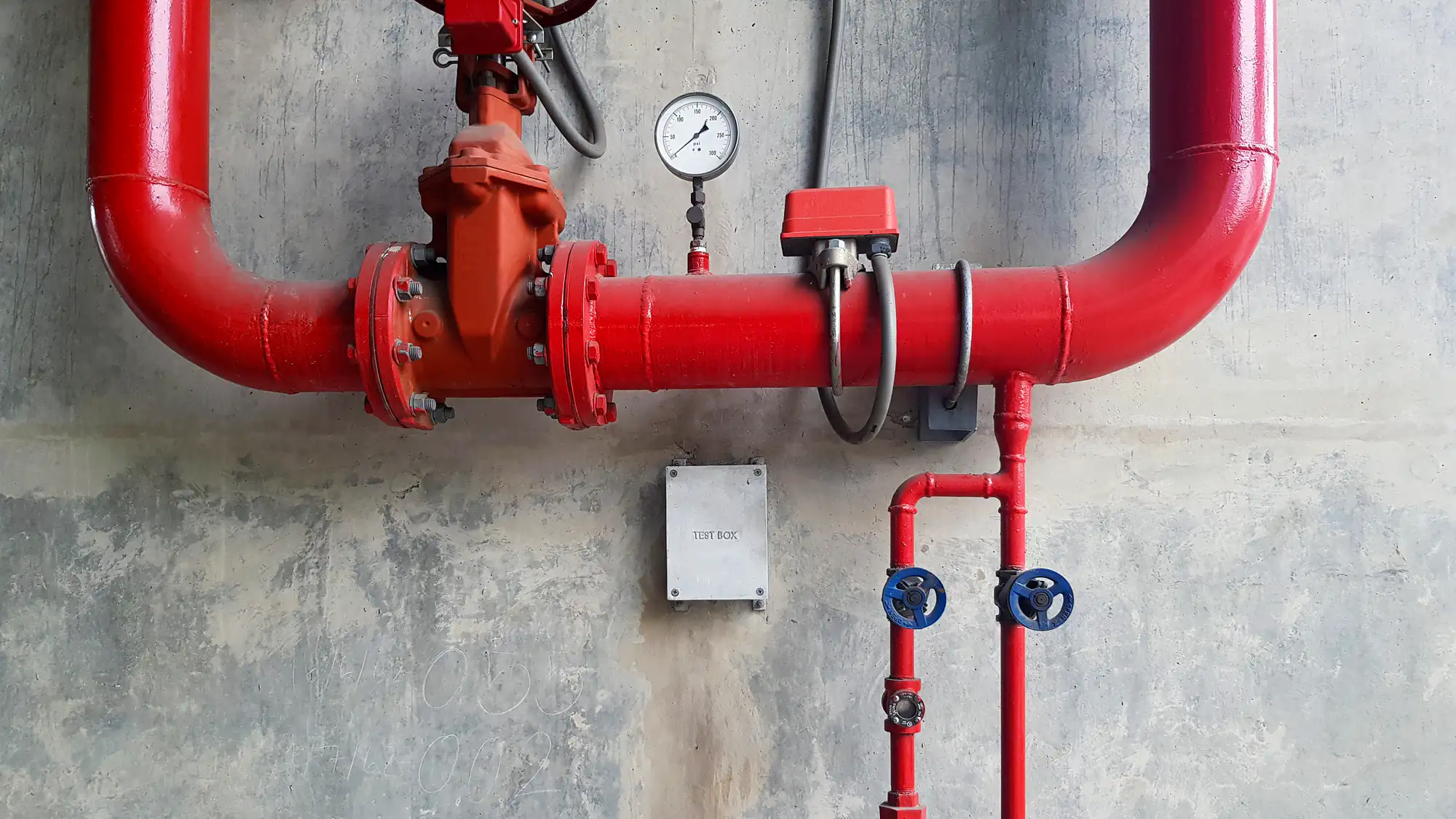
First, we assess your property and review your specific requirements. Every building is different. A warehouse in Coram has different needs than an office building in Hauppauge or a restaurant in Ronkonkoma. We look at square footage, ceiling heights, occupancy type, and what the building code requires for your specific situation.
Then we design a system that meets NFPA 13 standards for sprinkler installation and integrates with your existing fire alarm system if you have one. This includes determining sprinkler head placement, water supply requirements, and whether you need a fire pump. We submit plans for approval and handle the permitting process with local authorities.
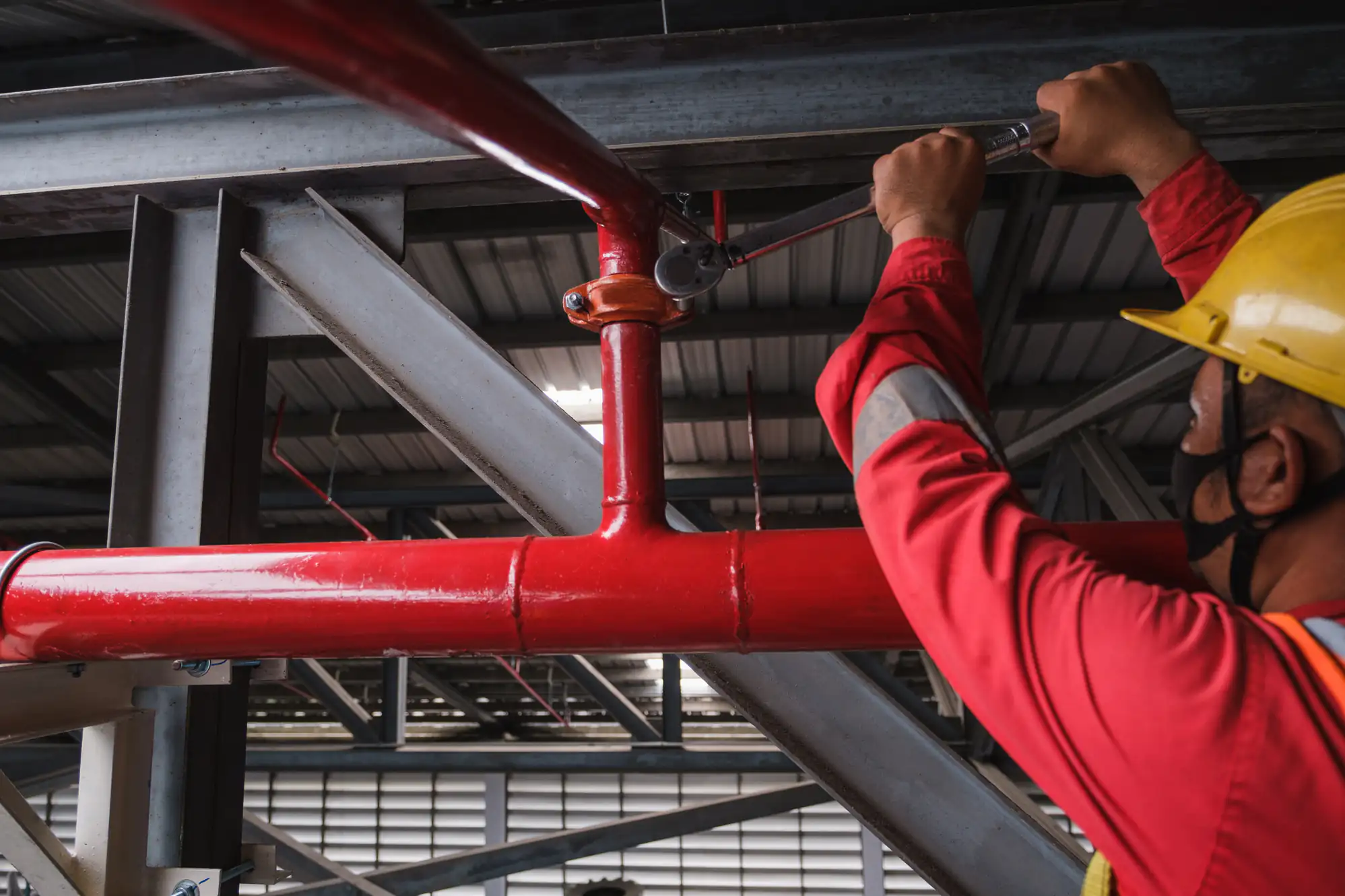
Installation happens on a schedule that minimizes disruption to your operations. Our team runs piping, installs sprinkler heads, connects to water supply, and integrates control systems. Everything gets tested before the final inspection. We verify water flow, pressure, and coverage to make sure the system will actually activate properly during a fire.
After installation, we schedule the required inspections and walk through the system with you. You’ll know where your main shutoff is, how the system operates, and what maintenance schedule you need to follow to stay compliant with NFPA 25 inspection requirements.
Ready to get started?
A proper fire sprinkler system installation includes more than just mounting heads to pipes. You’re getting a complete fire protection system designed specifically for your building’s layout and use. That means correctly sized piping, properly spaced sprinkler heads that provide full coverage, backflow prevention devices, and control valves in accessible locations.
For commercial properties in Suffolk County, you often need integration with your fire alarm system so sprinklers trigger alarms when activated. Many buildings also require a fire pump to maintain adequate water pressure throughout the system. We handle that installation and make sure everything communicates properly.
In Coram and across Long Island, older buildings frequently need system upgrades to meet current building code standards. We also specialize in violation correction services when you’ve received notices from FDNY or local fire marshals. That includes fixing deficiencies, updating outdated components, and bringing systems into compliance so you can pass re-inspection.
Every installation comes with documentation you’ll need for inspections: as-built drawings, equipment specifications, test results, and maintenance schedules. We’re also available for the ongoing quarterly and annual inspections required under NFPA 25 to keep your system compliant and your insurance valid.
Installation costs depend on building size, system complexity, and your specific requirements. A basic system for a small commercial space might run differently than a multi-story office building or warehouse with high ceilings that needs a fire pump.
Here’s what affects the price: total square footage, ceiling height, number of sprinkler heads required, whether you need a new water supply line or fire pump, and how much piping needs to run through the building. Buildings with drop ceilings are typically less expensive to retrofit than those requiring exposed piping.
The real cost isn’t just installation. It’s what happens after. A properly installed system means lower insurance premiums, no violation fines, and no emergency repairs when something fails inspection. We provide detailed quotes after assessing your property so you know exactly what you’re paying for and why.
Commercial buildings in New York follow the International Building Code and NFPA standards, with some local amendments. Most commercial occupancies require automatic sprinkler systems, especially office buildings over a certain height, restaurants, warehouses, and buildings where people sleep or gather in large numbers.
NFPA 13 covers design and installation requirements. It specifies things like sprinkler head spacing, pipe sizing, water supply adequacy, and system types appropriate for different hazards. NFPA 25 covers the inspection, testing, and maintenance you need to perform after installation to keep the system code-compliant.
Suffolk County and local fire marshals enforce these codes during inspections. If you’re renovating, changing building use, or constructing new space, you’ll likely trigger sprinkler requirements. We stay current on local code amendments and know what inspectors look for during plan review and final inspection.
Installation timeline varies based on building size and complexity. A straightforward installation in a small commercial space might take a week or two. Larger buildings with multiple floors, complex layouts, or buildings that remain occupied during installation take longer.
The process includes design and permitting before any physical work starts. Plan review and approval from local authorities can take several weeks depending on their workload. Once permits are issued, physical installation begins. We schedule work to minimize disruption to your operations, which sometimes means working evenings or weekends.
After installation, there’s testing, inspection, and any corrections needed before final approval. We give you a realistic timeline upfront and keep you updated if anything changes. Rush jobs are possible for buildings facing deadlines or violation correction situations, but proper installation shouldn’t be rushed just to save a few days.
Inspection failures usually come from installation errors, outdated components, or maintenance issues. Common problems include incorrect sprinkler head spacing, inadequate water pressure, missing or broken heads, corroded piping, or control valves that aren’t accessible or properly labeled.
When a system fails, you get a violation notice with specific deficiencies listed. You’ll have a deadline to correct the problems and schedule re-inspection. Ignoring violations leads to fines and potential building use restrictions. Insurance companies also care about inspection status and may adjust coverage if systems aren’t compliant.
We handle violation correction regularly for property owners in Coram and throughout Suffolk County. We review the violation notice, identify what needs fixing, make the corrections, and coordinate re-inspection. Most issues are fixable without complete system replacement. The key is addressing them quickly with someone who knows exactly what inspectors need to see to sign off.
Fire pumps are required when your building’s water supply can’t provide adequate pressure and flow to the highest or most remote sprinkler heads. This is common in taller buildings, large warehouses, or properties where the municipal water pressure is insufficient.
NFPA 20 governs fire pump installation. The pump boosts water pressure to ensure every sprinkler head will discharge the required gallons per minute if activated. Without adequate pressure, sprinklers in certain areas might not work properly during a fire, which defeats the entire purpose of having the system.
During our initial assessment, we test your water supply to determine available pressure and flow. If it’s insufficient for the system design, we’ll specify a fire pump sized appropriately for your building. Pumps require their own maintenance and testing schedule separate from the sprinkler system itself, which we also handle as part of ongoing NFPA 25 compliance.
NFPA 25 requires different inspections at different intervals. You need weekly checks of some components like fire pump operation and valve positions. Monthly inspections cover things like gauges and alarm devices. Quarterly inspections test alarm valves and other mechanical components. Annual inspections are comprehensive and include flow testing.
Every five years, sprinkler heads need inspection for corrosion, damage, or paint that could prevent proper operation. Older heads may need replacement. Every ten years, some system components require more extensive testing. These aren’t optional. They’re code requirements, and inspectors check your maintenance records during building inspections.
Most property owners don’t have time or expertise to handle this themselves. We offer inspection and maintenance contracts that keep you compliant without having to track schedules or understand technical requirements. We perform the required tests, document everything, fix any issues found, and make sure you’re ready if a fire marshal shows up.
Other Services we provide in Coram